Follow Cork’s trading past, explore the city’s own collections or look at contemporary art on the university campus. Choose a museum visit by what interests you.
These three stops offer different collections and settings, with substantial indoor content. They share one guide because separate museum and rainy-day lists would repeat the same choices.
A good choice for understanding Cork through one everyday ingredient
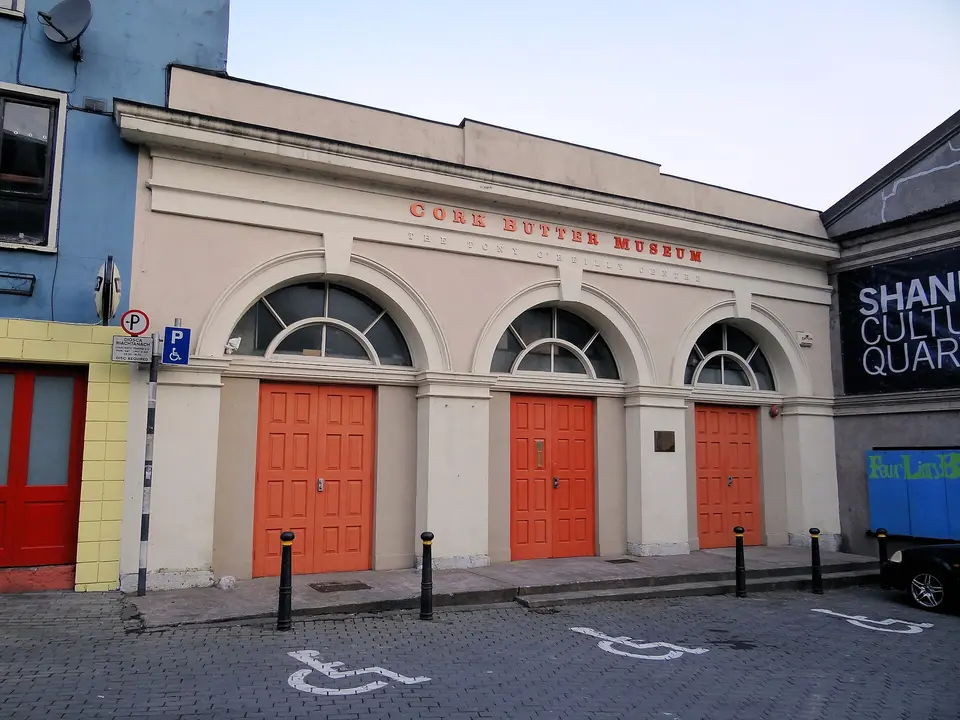
The Butter Museum turns a familiar food into a way of understanding the city. The story moves from domestic dairying to the Cork Butter Exchange and the international business built around Irish butter.
Churns, preserved butter and displays about making and selling it give this visit a clear theme. It is a focused alternative to a broad city museum, especially if the English Market has already sparked your interest in food.
Plan the visit
Opening days change by season. The museum publishes butter-making demonstrations separately; check the date and arrive before the listed start if you want one. A general visit does not guarantee a demonstration.
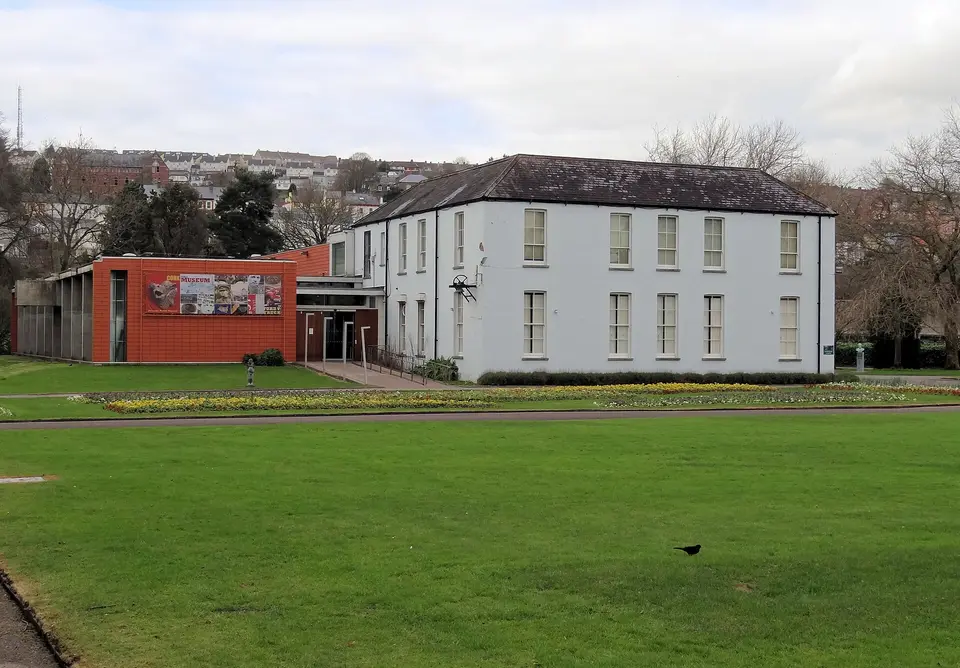
Cork Public Museum is the broadest history stop in this selection. Archaeological material, objects connected with local trades and the struggle for independence help connect the streets outside with the people who shaped them.
The museum occupies a Georgian house and modern extension in Fitzgerald Park. That makes it a useful pairing with time beside the river when the weather improves, without having to travel to another part of the city.
Plan the visit
Read the council’s current visiting information for gallery access and opening days. Plan the museum and the park as separate parts of the visit; outdoor access does not mean the galleries are open.
A good choice for contemporary art and architecture
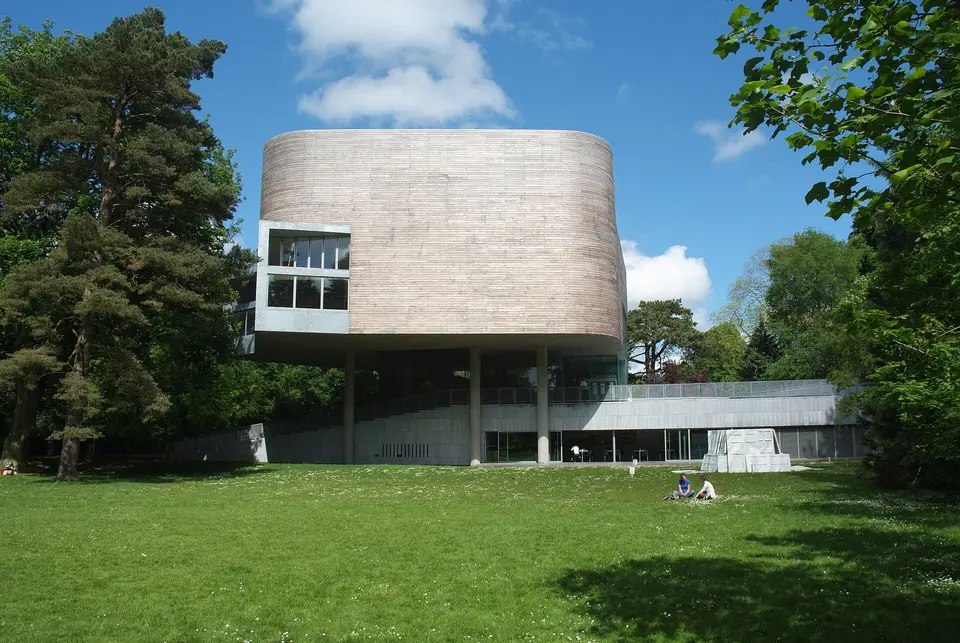
The Glucksman brings a different pace to a Cork museum day. Its changing exhibitions ask you to spend time with contemporary art rather than work through a chronological history of the city.
The building itself, raised among the trees at UCC’s Western Road entrance, is part of the appeal. Look up the exhibition programme first: the work on display changes, so a specific artwork from an older article may no longer be there.
Plan the visit
Admission is free, with a suggested donation. Use the gallery’s own current hours when planning; older university listings can show a different schedule. Check workshops separately for registration.
Choose one main museum, then add another if you have time. These are different visits, not boxes that must all be ticked.
Allow for the city between them
The Butter Museum is in Shandon on the north side. The other two are west of the centre. Use each place’s directions rather than treating the map pins as a walking route.
Research reflects the linked sources on the dates shown. Menus, admission and access arrangements can change. Photographs may show an earlier appearance; follow each credit for the original file and date.